Manual transmission wagons blend practicality with a driver-focused experience‚ offering a unique alternative in today’s automotive landscape‚ appealing to enthusiasts seeking engagement.
What Defines a Manual Transmission Wagon?
A manual transmission wagon is fundamentally a vehicle combining the body style of a station wagon – characterized by its extended roofline and rear cargo area – with a traditional manual gearbox. This means the driver directly controls gear changes using a clutch pedal and a shift lever. Unlike automatics‚ there’s no computer selecting gears.
These wagons typically prioritize a connected driving experience‚ offering more control over engine RPM and power delivery. They represent a deliberate choice for drivers who enjoy the tactile feedback and engagement of a manual system‚ blending utility with a sporty feel.
The Appeal of a Manual Wagon: A Driver’s Perspective
For many drivers‚ a manual transmission wagon represents a purist’s choice‚ offering a uniquely engaging driving experience. The direct connection to the vehicle – feeling the gears mesh and controlling the power – is highly valued. Beyond control‚ there’s a sense of involvement and fun often missing in automatics;
The blend of practicality and driver enjoyment is key; wagons offer space‚ while the manual gearbox delivers a spirited‚ connected feel‚ appealing to enthusiasts who want both.

Historical Context of Manual Wagons
Manual transmissions were standard in wagons for decades‚ prioritizing driver control and efficiency before automatic technology matured and became widespread.
The Rise of Manual Transmissions in Wagons
Initially‚ manual transmissions dominated the wagon market due to their simplicity‚ reliability‚ and cost-effectiveness. Early wagons‚ often used for practical purposes‚ benefited from the direct control a manual gearbox provided. As automotive technology evolved‚ manual transmissions became increasingly refined‚ offering smoother shifts and improved performance. This coincided with a growing appreciation for driver involvement‚ establishing the manual wagon as a favored choice for those seeking a connected driving experience‚ blending utility with engagement.
The Shift Towards Automatic Transmissions and the Manual’s Decline
The latter half of the 20th century witnessed a gradual shift towards automatic transmissions‚ driven by convenience and ease of use. While initially less fuel-efficient‚ modern automatics with more gears surpassed manuals in economy. This‚ coupled with a broader consumer preference for effortless driving‚ led to a decline in manual wagon sales; However‚ a dedicated enthusiast base preserved the appeal of the manual transmission‚ valuing driver control and engagement above all else.
Benefits of Choosing a Manual Transmission Wagon
Manual wagons deliver enhanced driver control‚ potential fuel savings‚ and generally lower maintenance costs‚ offering a uniquely engaging and rewarding driving experience for enthusiasts.
Enhanced Driver Engagement and Control
A manual transmission fundamentally alters the driving experience‚ placing the driver firmly in control of gear selection and engine speed. This direct connection fosters a heightened sense of engagement‚ allowing for precise control during spirited driving or navigating challenging conditions. The tactile feedback of shifting gears and the ability to downshift for engine braking contribute to a more immersive and rewarding experience‚ appealing to those who actively enjoy the act of driving‚ unlike the detachment of an automatic.
Potential Fuel Efficiency (Considering Modern Automatics)
Historically‚ manual transmissions offered superior fuel economy; however‚ advancements in automatic technology have narrowed the gap. Modern automatics‚ with more gears and efficient torque converters‚ often match or even exceed manual fuel efficiency. While a manual wagon can be efficient‚ the difference versus an automatic counterpart‚ like in a Jeep Wrangler‚ is becoming increasingly minimal‚ requiring careful consideration.
Lower Maintenance Costs (Generally)
Generally‚ manual transmission wagons tend to have lower maintenance costs compared to automatics. Fewer complex components mean fewer potential points of failure. However‚ clutch replacements are a significant expense unique to manuals. Despite this‚ the relative simplicity and inexpensive parts contribute to overall lower long-term maintenance‚ especially in older models like the Mazda Protege5.
Popular Manual Transmission Wagon Models
Several models stand out‚ including the Mazda Protege5‚ Subaru Impreza Wagon‚ Volkswagen Golf SportWagen‚ and Volvo V50/V60‚ offering engaging driving experiences.
Mazda Protege5 (2002-2008) ー A Driver’s Favorite
The Mazda Protege5 (2002-2008) is often lauded as a standout choice for manual wagon enthusiasts. It’s frequently overlooked‚ yet offers a fun driving experience and relatively inexpensive maintenance. Despite being front-wheel drive only and prone to rust‚ its handling is excellent.
This wagon provides an understated‚ athletic aesthetic‚ appealing to those seeking a practical yet engaging vehicle. It’s a budget-friendly option that doesn’t compromise on driving enjoyment.
Subaru Impreza Wagon (Various Years) ー All-Wheel Drive Option
The Subaru Impreza Wagon‚ across several model years‚ presents a compelling option for those desiring all-wheel drive capability in a manual transmission wagon. Subaru’s symmetrical all-wheel drive system provides enhanced traction and stability‚ particularly beneficial in inclement weather.
While specific years and trims vary in availability‚ the Impreza Wagon consistently delivers a practical and capable platform for drivers seeking a versatile and engaging experience.
Volkswagen Golf SportWagen (Manual Options Available)
The Volkswagen Golf SportWagen frequently appears on lists of desirable manual transmission wagons‚ offering a blend of European refinement and practicality. Available in select years‚ the manual transmission option provides a more connected driving experience. Its spacious interior and versatile cargo area make it ideal for families or those needing extra space.
The Golf SportWagen balances fuel efficiency with enjoyable performance‚ making it a well-rounded choice.
Volvo V50/V60 (Select Years with Manual Transmission)
Volvo’s V50 and V60 wagons‚ particularly in certain model years‚ offered a manual transmission option for drivers prioritizing control and engagement. Known for their safety and Scandinavian design‚ these wagons provide a refined driving experience. The manual gearbox complements the Volvo’s character‚ enhancing the connection between driver and machine.
Finding a manual V50 or V60 requires diligent searching‚ but rewards with a unique Volvo experience.
Considerations Before Buying
Before purchasing a manual wagon‚ assess availability‚ potential rust issues—like the Mazda 6—and decide between front-wheel or all-wheel drive configurations;
Availability and Market Scarcity
Finding a manual transmission wagon can present a challenge due to declining popularity and shifting consumer preferences towards automatic transmissions. The market for these vehicles is increasingly niche‚ resulting in limited inventory and potentially higher prices for well-maintained examples. Specific models‚ like the Mazda Protege5 or Volvo V50‚ are becoming rarer with each passing year‚ demanding patience and diligent searching through online marketplaces and classifieds. Prospective buyers should be prepared to expand their search radius and potentially consider models requiring some restoration.
Rust Proneness in Older Models (e.g.‚ Mazda 6)
Older manual transmission wagons‚ particularly the first-generation Mazda 6 Sport Wagon‚ are notorious for rust susceptibility. This is a significant concern for potential buyers‚ as corrosion can compromise structural integrity and necessitate costly repairs. Common areas affected include the undercarriage‚ rocker panels‚ and wheel wells. Thorough inspection‚ ideally by a professional‚ is crucial before purchase‚ and budget allocation for potential rust remediation should be considered a priority when evaluating these vehicles.
Front-Wheel Drive vs. All-Wheel Drive Options
Manual transmission wagons present choices in drivetrain configurations. Front-wheel drive (FWD) models‚ like the Mazda Protege5 and some Mazda 6 variants‚ offer simplicity and generally better fuel economy. However‚ all-wheel drive (AWD) options‚ exemplified by certain Subaru Impreza Wagons‚ provide enhanced traction and stability‚ particularly in inclement weather. The optimal choice depends on individual driving needs and environmental conditions‚ balancing performance with practicality.
The Driving Experience
Manual wagons deliver a tactile connection‚ emphasizing driver involvement through precise gear changes and optimized performance‚ creating a uniquely engaging and rewarding experience.
The Tactile Feel of Shifting Gears
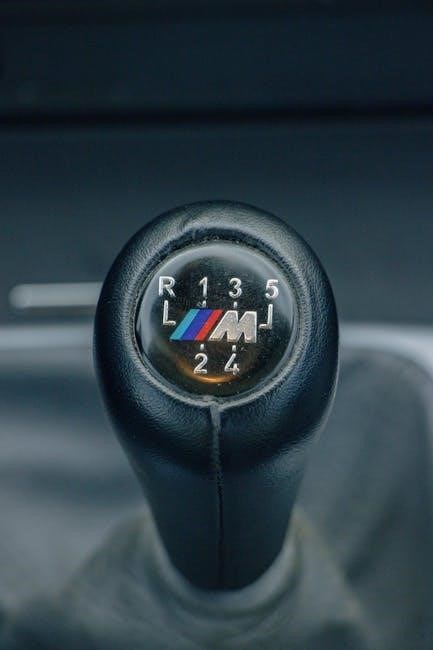
The core appeal of a manual transmission wagon lies in the direct connection it fosters between driver and machine. Unlike the detached experience of an automatic‚ a manual demands active participation‚ requiring precise clutch control and deliberate gear selection. This tactile engagement—the feel of the shifter in your hand‚ the feedback through the pedals—creates a sense of control and involvement that many drivers find deeply satisfying. It’s a visceral experience‚ allowing you to truly feel the car responding to your inputs‚ enhancing the overall driving pleasure.
Optimizing Performance with a Manual Transmission
A manual transmission wagon empowers drivers to extract maximum performance from their vehicle. Precise gear selection allows for maintaining the engine within its optimal power band‚ resulting in quicker acceleration and more responsive handling. Downshifting for corner entry or overtaking maneuvers provides enhanced control and a more engaging driving experience. While modern automatics are efficient‚ a skilled driver with a manual can often achieve superior performance through deliberate gear choices and engine speed management.
Maintenance and Repair
Manual transmission wagons require regular maintenance‚ with clutch replacement being a common‚ potentially costly repair; proactive care extends the lifespan of components.
Common Manual Transmission Issues
Manual transmission wagons‚ while generally reliable‚ can experience specific issues over time. Worn synchronizers lead to grinding during shifts‚ impacting smoothness. Clutch master and slave cylinder failures are frequent‚ causing difficulty engaging gears. Internal bearing wear generates noise‚ and linkage problems result in imprecise shifting. Low transmission fluid‚ though less common‚ can also contribute to operational problems‚ necessitating careful monitoring and timely fluid changes to prevent significant damage and maintain optimal performance.
Cost of Clutch Replacement and Other Repairs
Clutch replacement on a manual transmission wagon typically ranges from $800 to $2000‚ depending on the model and labor rates. Synchronizer repairs can cost $500-$1500‚ while addressing linkage issues usually falls between $200-$500. Master/slave cylinder replacements average $300-$800. Transmission fluid changes are relatively inexpensive‚ around $100-$200. Diagnostic fees can add to the overall expense‚ so a thorough inspection is crucial before authorizing any repairs.

The Future of Manual Wagons
Despite uncertainty surrounding manual transmissions‚ renewed interest in driver-focused cars suggests a continued‚ albeit niche‚ viability for manual wagons.
Resurgence of Interest in Driver-Focused Cars
A growing segment of drivers actively seeks a more connected and engaging driving experience‚ rejecting the increasing automation found in modern vehicles. This shift fuels demand for manual transmissions‚ offering greater control and a tactile feel. Consequently‚ manual wagons‚ combining practicality with driving pleasure‚ are experiencing a revival. Enthusiasts appreciate the direct link between driver input and vehicle response‚ fostering a renewed appreciation for the art of driving‚ and the wagon body style offers versatility.
Niche Market Appeal and Long-Term Viability
While manual transmission wagons won’t dominate sales charts‚ their dedicated fanbase ensures continued‚ albeit limited‚ production. This niche appeal stems from a desire for driver engagement and a rejection of automotive homogenization. Long-term viability depends on manufacturers catering to this enthusiast base‚ offering select models with manual options. The enduring practicality of a wagon combined with a driver-focused transmission secures a future‚ however small‚ for these vehicles.
Comparing Manual Wagons to Alternatives
Manual wagons offer a unique blend versus automatic wagons or performance cars‚ prioritizing driver involvement and a tactile experience over sheer speed or convenience.
Manual Wagons vs. Automatic Wagons
The core difference lies in driver engagement; manual wagons demand active participation‚ offering precise control and a connected feel‚ while automatics prioritize ease and convenience. Modern automatics often match or exceed manual fuel efficiency due to advanced gearing. However‚ manual transmissions generally present lower maintenance costs‚ specifically avoiding expensive automatic transmission repairs. Ultimately‚ the choice hinges on personal preference – a driver seeking involvement will favor a manual‚ while others will appreciate the simplicity of an automatic.
Manual Wagons vs. Other Performance Vehicles
Compared to dedicated sports cars‚ manual wagons offer a unique blend of performance and practicality‚ sacrificing outright speed for versatility. While not as focused as coupes or sedans‚ models like the Mazda Protege5 deliver engaging handling. They provide ample cargo space‚ making them ideal for enthusiasts needing everyday usability. Manual wagons represent a compelling alternative‚ offering a fun-to-drive experience without compromising on functionality‚ appealing to a broader range of drivers.
Finding a Manual Transmission Wagon
Manual wagons are often found on online marketplaces and classifieds‚ requiring diligent searching due to their relative scarcity in the used car market.
Online Marketplaces and Classifieds
Locating a manual transmission wagon frequently begins with exploring online platforms like Craigslist‚ Facebook Marketplace‚ and dedicated automotive websites. These resources offer a broad selection‚ though patience is key due to their limited availability. Be prepared to expand your search radius and regularly check for new listings. Utilize specific keywords – “manual wagon‚” “5-speed wagon‚” or model-specific searches – to refine results. Don’t overlook enthusiast forums‚ as owners often list well-maintained examples directly‚ providing valuable history and insights.
Tips for Inspecting a Used Manual Wagon
When inspecting a used manual transmission wagon‚ prioritize the clutch’s condition – check for slippage‚ smooth engagement‚ and proper pedal feel. Listen for unusual noises during shifts. Examine the shifter for excessive play or difficulty selecting gears. Inspect for rust‚ particularly on older models like the Mazda 6‚ focusing on undercarriage and body panels. A pre-purchase inspection by a trusted mechanic is crucial to assess overall mechanical health and identify potential issues.
Safety Features in Manual Wagons
Manual wagons typically include ABS and traction control‚ but older models may lack advanced safety tech found in newer vehicles‚ requiring cautious driving.
ABS‚ Traction Control‚ and Other Safety Systems
Most manual transmission wagons‚ even older models‚ generally incorporate essential safety features like Anti-lock Braking Systems (ABS) and traction control to enhance stability. However‚ it’s crucial to acknowledge that safety technology has significantly evolved. Compared to contemporary vehicles‚ older wagons might lack advanced driver-assistance systems (ADAS) such as lane departure warning‚ automatic emergency braking‚ or blind-spot monitoring. Therefore‚ a thorough assessment of the specific vehicle’s safety equipment is vital before purchase‚ understanding its limitations relative to modern safety standards.
Limitations Compared to Modern Safety Tech in Newer Cars
While older manual transmission wagons offer foundational safety features like ABS‚ they often fall short of modern standards. Newer vehicles boast advanced systems – automatic emergency braking‚ adaptive cruise control‚ and lane-keeping assist – largely absent in older models. This disparity impacts overall safety‚ particularly in preventing accidents. Prospective buyers should realistically assess these limitations‚ acknowledging that older wagons may not provide the same level of protection as contemporary cars equipped with cutting-edge safety technology.
Fuel Economy in Manual Transmission Wagons
Historically more efficient‚ modern automatics now often surpass manual transmission wagons in fuel economy due to advanced gear counts and torque converter improvements.
Comparing Fuel Efficiency to Automatic Counterparts
Once‚ manual transmission wagons consistently delivered superior fuel economy; however‚ advancements in automatic technology have shifted this dynamic. Modern automatics‚ boasting more gears and refined torque converters‚ frequently achieve comparable‚ or even better‚ mileage.
For example‚ the Jeep Wrangler demonstrates this trend‚ with automatic versions sometimes exceeding the efficiency of their manual counterparts. While driver skill impacts manual results‚ the gap has narrowed significantly‚ making fuel economy less of a deciding factor.
Factors Affecting Fuel Consumption
Several elements influence a manual transmission wagon’s fuel efficiency. Driving habits – aggressive acceleration and frequent braking – significantly decrease mileage. Vehicle load‚ tire pressure‚ and regular maintenance‚ like air filter replacements‚ also play crucial roles.
Engine size and aerodynamics contribute‚ as does the use of air conditioning. Furthermore‚ individual driving style with a manual – smooth shifting versus abrupt changes – directly impacts fuel consumption‚ potentially negating any inherent advantage.
The Resale Value of Manual Wagons
Manual wagons may see appreciation in specific‚ desirable models due to their rarity and appeal to enthusiasts‚ though condition and mileage heavily influence value.
Potential for Appreciation in Certain Models
Certain manual transmission wagons‚ particularly those with limited production numbers or a strong enthusiast following‚ demonstrate potential for future appreciation. The Mazda Protege5‚ for example‚ is gaining recognition as a fun-to-drive and relatively rare option. Well-maintained examples‚ especially those with low mileage and desirable features‚ could see increased value over time. Factors like overall condition‚ originality‚ and documented service history significantly impact collectibility‚ making preservation key for potential appreciation.
Factors Influencing Resale Value
Resale value for manual transmission wagons hinges on several key elements. Mileage is crucial‚ with lower numbers commanding higher prices. Condition—both mechanical and cosmetic—significantly impacts desirability. Rarity plays a role; limited-edition models or those with specific options fetch premiums. Service history documentation assures buyers of proper maintenance. Rust‚ particularly in older models like the Mazda 6‚ drastically reduces value‚ alongside modifications deviating from original specifications.
Modifications and Upgrades
Manual wagons benefit from performance enhancements like suspension upgrades and ECU tunes‚ while aesthetic modifications offer personalization‚ boosting both style and driving enjoyment.
Performance Enhancements for Manual Wagons
Unlocking a manual wagon’s potential involves several key upgrades. A short-throw shifter dramatically improves the driving experience‚ offering quicker‚ more precise gear changes. Performance clutches handle increased power‚ crucial for modified engines. Suspension upgrades – springs‚ shocks‚ and sway bars – enhance handling and reduce body roll.
ECU tuning optimizes engine performance‚ boosting horsepower and torque. Lightweight wheels and tires improve acceleration and braking. Brake upgrades‚ including larger rotors and performance pads‚ provide increased stopping power. These enhancements transform a practical wagon into a genuinely engaging performance machine.
Aesthetic Modifications and Customization
Personalizing a manual transmission wagon extends beyond performance. Wheel choices significantly alter the vehicle’s appearance‚ ranging from classic to modern designs. Window tinting adds a sleek look and enhances privacy. Exterior modifications like spoilers‚ roof racks‚ and body kits create a unique style.
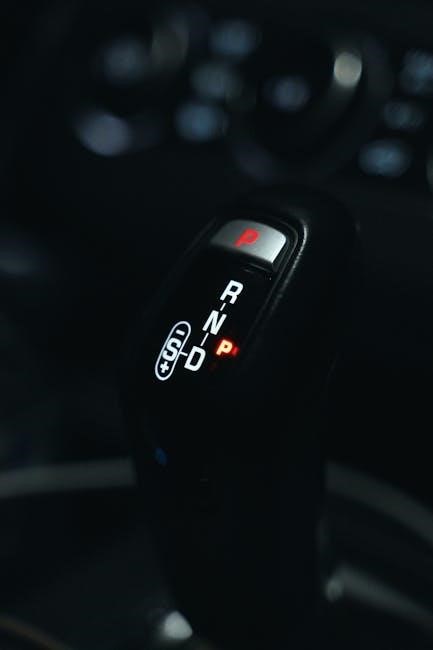
Interior customization includes upgraded seats‚ steering wheels‚ and shift knobs. Audio system improvements enhance the driving experience. Paint jobs or vinyl wraps offer a bold statement. These aesthetic touches reflect the owner’s personality‚ transforming a practical wagon into a personalized expression of style.