
Jianfan Hemoperfutor User Manual: A Comprehensive Guide
This manual details the Jianfan Hemoperfutor, an advanced restorative device designed for blood detoxification, utilizing charcoal-based filtration to eliminate toxins effectively and safely.
The Jianfan Hemoperfutor represents a significant advancement in blood purification technology, offering healthcare professionals a robust tool for managing patients with acute or chronic conditions requiring extracorporeal blood treatment. This device is specifically engineered to remove harmful substances – including toxins, medications, and metabolic waste products – directly from a patient’s bloodstream.
Understanding the intricacies of this system is paramount for ensuring optimal patient outcomes and maintaining the longevity of the equipment. This user manual serves as a comprehensive guide, detailing everything from initial setup and operation to troubleshooting and routine maintenance. It’s designed for trained medical personnel and emphasizes adherence to safety protocols.
The hemoperfutor’s efficacy stems from its sophisticated filtration system, primarily utilizing charcoal-based absorbents. Proper utilization, as outlined within, will maximize treatment benefits and minimize potential complications.

Overview of the Device and its Purpose
The Jianfan Hemoperfutor is a medical device designed for extracorporeal blood purification, effectively acting as an “artificial liver” or “artificial kidney” depending on the specific clinical application. Its primary purpose is to remove toxic substances that the body’s natural filtration systems – liver and kidneys – are unable to eliminate adequately. This is achieved through a process called hemoperfusion, where blood is circulated through a cartridge containing an absorbent material, typically activated charcoal.
The device consists of a pump, a monitoring system, and the hemoperfusion cartridge itself. It’s indicated for use in cases of drug overdose, acute liver failure, and certain metabolic disorders. Maintaining optimal performance requires diligent monitoring of flow rates, pressures, and regular maintenance as detailed in this manual.
Ultimately, the Jianfan Hemoperfutor aims to improve patient outcomes by restoring physiological balance and supporting vital organ function.
Key Components of the System
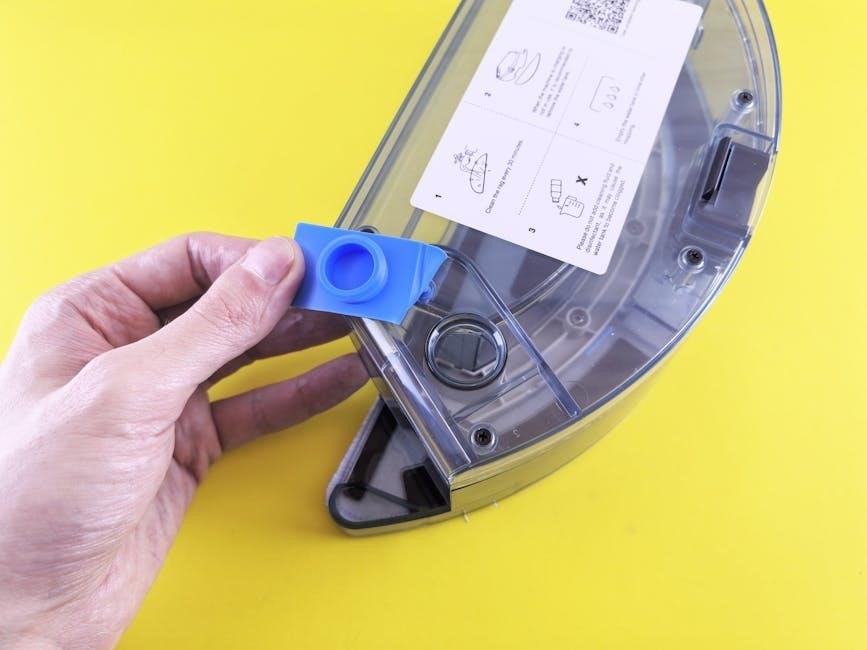
The Jianfan Hemoperfutor system comprises several crucial components working in concert to deliver effective blood purification. These include the hemoperfusion cartridge, containing the absorbent material (typically activated charcoal) responsible for toxin removal. A blood pump precisely controls the flow rate of blood through the circuit. The monitoring module displays vital parameters like inlet and outlet pressures, blood flow rate, and treatment time.
Essential to the system are the blood tubing sets, designed for safe and efficient blood transport. A housing unit securely holds the cartridge and integrates all components. Furthermore, the system includes safety features like air detectors and clot detection mechanisms. Proper function of each component is vital for optimal performance and patient safety, as detailed in the troubleshooting section.

Understanding the Hemoperfusion Process
Hemoperfusion is a therapeutic technique employed to directly remove toxins and substances from a patient’s bloodstream. Unlike hemodialysis, which relies on diffusion, hemoperfusion utilizes adsorption – binding harmful substances to a specialized cartridge. The process involves drawing blood from the patient, passing it through the cartridge containing an absorbent material, and then returning the cleansed blood to the circulation.
This method is particularly effective for removing substances with high protein binding or large molecular weights that are difficult to eliminate via conventional methods. Understanding the principles of adsorption and blood flow dynamics is crucial for optimizing treatment efficacy. The Jianfan Hemoperfutor facilitates this process, offering a controlled and monitored environment for efficient toxin removal.
How the Jianfan Hemoperfutor Cleanses Blood

The Jianfan Hemoperfutor cleanses blood through a highly efficient adsorption process. Blood is drawn from the patient and circulated through a cartridge filled with specialized absorbent materials, primarily activated charcoal. This charcoal acts like a sponge, selectively binding to toxins, metabolites, and other undesirable substances present in the bloodstream.
As blood flows through the cartridge, these harmful components adhere to the charcoal, effectively removing them from circulation. The cleansed blood, now free of these toxins, is then returned to the patient. This direct removal mechanism offers a significant advantage over relying solely on the body’s natural detoxification pathways, providing rapid and targeted purification.
Charcoal-Based Filtration System Explained
The Jianfan Hemoperfutor’s core technology revolves around its sophisticated charcoal-based filtration system. Activated charcoal, utilized within the device, possesses an incredibly large surface area due to its porous structure. This extensive surface area maximizes the contact between the blood and the charcoal, enhancing the adsorption capacity.
The charcoal selectively binds to a wide range of toxins, including uremic toxins, bilirubin, and various medications or chemicals. This binding occurs through both physical adsorption and chemical interactions. The system’s design ensures optimal blood flow and residence time within the cartridge, maximizing toxin removal. Regular cartridge replacement is crucial to maintain filtration efficiency and prevent saturation.

Setting Up the Jianfan Hemoperfutor
Proper setup is paramount for safe and effective operation of the Jianfan Hemoperfutor. Begin with a thorough inspection of all components, ensuring they are undamaged and correctly positioned. The initial setup involves carefully connecting the blood circuit, adhering strictly to the manufacturer’s guidelines to prevent contamination or leaks.
Next, meticulous priming of the system is essential. This process removes air from the circuit, preventing air embolisms during treatment. Utilize sterile saline solution for priming, ensuring complete filling of all lines and the hemoperfutor cartridge itself. Double-check all connections before proceeding, verifying a secure and airtight seal throughout the entire circuit.
Initial Setup Procedures
Before initiating treatment, a precise sequence of initial setup procedures must be followed. First, verify the availability of all necessary supplies: sterile tubing, saline solution, the hemoperfutor cartridge, and appropriate monitoring equipment. Ensure the device is placed on a stable, level surface with easy access to power outlets.
Next, carefully unpack and inspect the hemoperfutor cartridge for any signs of damage. Confirm the expiration date is valid. Then, assemble the blood circuit components according to the diagram provided in the manual, paying close attention to directional flow indicators. Finally, perform a leak test with saline solution to guarantee a secure and sealed system before connecting to the patient.
Connecting the Blood Circuit

Establishing a secure blood circuit connection is paramount for safe and effective hemoperfusion. Begin by carefully attaching the arterial and venous lines to the designated ports on the Jianfan Hemoperfutor, ensuring a snug fit to prevent leakage. Double-check all clamps are securely closed before initiating blood flow.
Next, connect the arterial line to the patient’s arterial access, typically a central venous catheter. Similarly, connect the venous line to the patient’s venous access. Once connected, slowly open the arterial clamp to allow blood to enter the circuit, observing for any signs of air bubbles or improper flow. Maintain strict aseptic technique throughout the entire connection process to minimize infection risk.
Priming the System
Proper system priming is crucial to eliminate air from the circuit and ensure optimal hemoperfusion. Begin by closing all clamps except the one allowing inflow from the priming solution bag – typically sterile saline. Slowly introduce the priming solution, carefully observing the circuit for complete filling and air bubble removal.
Gently manipulate the circuit to dislodge any trapped air, ensuring it’s vented through the designated air trap. Once the entire circuit is filled and air-free, gradually close the priming solution clamp and open the arterial clamp to allow patient blood to enter. Monitor the blood flow and continue to check for air bubbles before connecting to the patient. A thoroughly primed system guarantees treatment safety and efficacy.
Operating the Jianfan Hemoperfutor
Initiating operation requires meticulous attention. First, confirm all connections are secure and the system is adequately primed. Power on the device and execute the automated system checks – verifying pump functionality, sensor accuracy, and alarm settings. Carefully monitor performance metrics, including inlet and outlet pressures, blood flow rates, and treatment duration.
Adjust flow rates and pressure according to the prescribed treatment protocol and patient’s clinical condition. Regularly inspect the blood circuit for any signs of clotting or air introduction; Consistent monitoring and prompt adjustments are vital for maintaining optimal hemoperfusion and ensuring patient safety throughout the procedure.
Powering On and System Checks
Before initiating treatment, a thorough system check is paramount. Upon powering on the Jianfan Hemoperfutor, the device automatically initiates a self-diagnostic sequence. Observe the control panel for any error messages or warning indicators. Verify the functionality of the pump mechanism, ensuring smooth and consistent operation. Confirm the accuracy of all pressure sensors and flow rate monitors.
Inspect the integrity of the blood circuit, checking for leaks or obstructions. Ensure all alarm settings are appropriately configured and responsive. A successful completion of these checks guarantees the device is functioning optimally and ready for safe and effective hemoperfusion therapy.
Monitoring Performance Metrics
Continuous monitoring of performance metrics is crucial during hemoperfusion. Closely observe the inlet and outlet pressures, maintaining them within the prescribed range to prevent complications. Regularly assess the blood flow rate, ensuring it aligns with the patient’s physiological needs and the treatment protocol. Pay attention to any fluctuations or deviations from established parameters.
Monitor the charcoal filter’s performance indicators, noting any changes in filtration efficiency. Vigilant observation of these metrics provides early detection of potential issues, allowing for prompt intervention and maintaining treatment safety and efficacy. Consistent data logging is recommended for comprehensive analysis and documentation.
Adjusting Flow Rates and Pressure
Precise adjustment of flow rates and pressure is vital for optimal hemoperfusion. Begin with the manufacturer’s recommended settings, then titrate based on individual patient responses and clinical assessment. Gradually increase or decrease the flow rate, observing for any signs of adverse reactions, such as hypotension or clotting.
Maintain pressure within the specified limits to ensure adequate perfusion without causing damage to blood components. Regularly monitor the transfilter pressure, adjusting as needed to prevent filter blockage. Document all adjustments meticulously, noting the rationale behind each change. Prioritize patient safety and comfort throughout the process.
Safety Precautions
Prioritize patient safety during all phases of Jianfan Hemoperfutor operation. Thoroughly review contraindications before initiating treatment, avoiding use in patients with severe coagulopathies or active bleeding. Implement strict infection control measures, utilizing sterile technique for all connections and handling of blood.
Regularly inspect the blood circuit for leaks, kinks, or air bubbles. Ensure adequate anticoagulation to prevent clot formation, monitoring activated clotting time (ACT) closely. Be prepared for potential complications, including hypotension, allergic reactions, and filter blockage. Familiarize yourself with emergency shutdown procedures and maintain readily available resuscitation equipment.
Contraindications for Use
The Jianfan Hemoperfutor is not suitable for all patients. Absolute contraindications include known hypersensitivity to charcoal or any component of the system, severe thrombocytopenia (platelet count <50,000/µL), and disseminated intravascular coagulation (DIC). Relative contraindications, requiring careful risk-benefit assessment, encompass recent major surgery, active internal bleeding, and severe cardiovascular instability.
Patients with pre-existing neurological conditions should be monitored closely. Avoid use in individuals with known allergies to blood products or anticoagulants. The device should not be used in cases of acute respiratory distress syndrome (ARDS) without careful consideration. Always consult with a qualified physician to determine patient suitability.
Potential Risks and Complications
While generally safe, Jianfan Hemoperfutor use carries potential risks. These include systemic hypotension due to fluid shifts, electrolyte imbalances (particularly hypocalcemia), and the possibility of allergic reactions to the charcoal or blood circuit materials. Clot formation within the system can occur, potentially leading to reduced flow rates and device malfunction.
Air embolism is a rare but serious complication. Bleeding at access sites is possible, requiring careful monitoring and prompt intervention. Patients may experience transient fever or chills. Careful monitoring of vital signs and blood parameters is crucial. Prompt recognition and management of complications are essential for optimal patient outcomes.
Emergency Shutdown Procedures
In an emergency, immediate system shutdown is critical. First, clamp both the arterial and venous lines proximal to the hemoperfutor to halt blood flow. Simultaneously, power off the device using the main power switch. Immediately assess the patient’s condition and initiate appropriate medical interventions.
If a significant pressure imbalance or air detection occurs, follow the same clamping and power-off sequence. Document the event thoroughly, noting the time, observed parameters, and actions taken. Ensure adequate personnel are available to manage potential complications. Familiarize all operators with these procedures through regular training and drills.

Troubleshooting Common Issues
Addressing issues promptly maintains treatment safety and efficacy. Common alarms indicate pressure imbalances, clot formation, or air within the blood circuit. For pressure imbalances, verify line connections and assess for obstructions. Clot formation requires immediate intervention – consider heparinization protocols as directed by medical staff.
Air within the circuit necessitates clamping lines and removing air pockets before resuming operation. Regularly inspect the blood circuit for kinks or leaks. Refer to the device manual for detailed troubleshooting instructions. Consistent monitoring of performance metrics helps identify potential problems early. Engage with user communities for shared experiences and solutions.
Addressing Pressure Imbalances
Pressure imbalances are frequently signaled by the Jianfan Hemoperfutor’s alarm system. Initial steps involve a meticulous inspection of all connections within the blood circuit, ensuring secure fittings and the absence of disconnections. Assess for potential obstructions, such as kinks in tubing or partial blockage within the filter itself. Verify the correct placement of all clamps and ensure they aren’t overly restrictive.
Carefully evaluate the patient’s venous access, confirming adequate flow and ruling out any collapse or constriction. Document all findings and corrective actions taken. If imbalances persist, consult the device manual for advanced troubleshooting or contact technical support for assistance.
Dealing with Clot Formation
Clot formation within the Jianfan Hemoperfutor system is a potential complication requiring immediate attention. The device may trigger an alarm, indicating reduced flow or increased pressure. First, carefully assess the blood circuit for visible clot presence, particularly near the filter housing and connection points. Implement the prescribed protocol for system interruption and blood return to the patient, as detailed in the manual.
Following the return, initiate a thorough flush of the circuit with saline solution, adhering to the recommended flow rates. If clot formation persists, consider adjusting the anticoagulation regimen, in consultation with the medical team. Document all instances of clot formation and the implemented corrective measures meticulously.
Resolving Air Within the Blood Circuit
The presence of air within the Jianfan Hemoperfutor’s blood circuit poses a serious risk to the patient and demands immediate intervention. Air detection typically triggers an alarm, accompanied by a decrease in pump flow. Immediately cease blood flow and clamp all circuit lines proximal and distal to the air pocket. Gently rock the circuit to encourage air bubble coalescence, facilitating its removal.

Utilize the air trap or air elimination port, as specified in the system’s design, to safely evacuate the air. Re-establish blood flow cautiously, monitoring for any recurrence of air bubbles. Thoroughly re-prime the circuit if necessary, ensuring complete air removal before resuming treatment. Document the incident and corrective actions taken in the patient’s record.
Maintenance and Cleaning

Consistent maintenance and meticulous cleaning are crucial for optimal Jianfan Hemoperfutor performance and longevity. Adhere strictly to the routine maintenance schedule outlined in this manual, encompassing regular inspection of all components for wear and tear. Disconnect the device from the power source before initiating any cleaning procedures.
Reusable components require thorough cleaning with approved disinfectants, followed by complete rinsing and drying. Never use abrasive cleaners or sterilization methods not specifically recommended by the manufacturer. Proper storage in a clean, dry environment is essential. Following these procedures extends the lifespan of the hemoperfutor and ensures patient safety.
Routine Maintenance Schedule
A structured routine maintenance schedule is paramount for sustained Jianfan Hemoperfutor functionality and reliability. Daily checks should include visual inspection of the blood circuit for any signs of damage or leakage. Weekly, meticulously examine all tubing connections and the charcoal filter housing for integrity.
Monthly, perform a comprehensive system check, verifying pressure sensor accuracy and flow rate calibration. Every six months, replace the charcoal filter according to manufacturer specifications. Annual preventative maintenance, conducted by qualified biomedical engineers, is highly recommended. Document all maintenance activities diligently in the device logbook, ensuring traceability and adherence to quality control standards.
Cleaning Procedures for Reusable Components
Thorough cleaning of reusable components is crucial to prevent contamination and ensure optimal performance. After each use, disassemble all reusable parts – tubing, connectors, and the filter housing – following the detailed instructions in the appendix. Immerse these components in a manufacturer-approved enzymatic cleaning solution, ensuring complete submersion for the recommended duration.
Rinse thoroughly with sterile water, verifying the removal of all cleaning agent residue. Inspect each component for any signs of damage or wear. Sterilize reusable parts using an autoclave cycle, adhering to established hospital protocols. Always allow components to dry completely before reassembly and storage, preventing microbial growth.
Extending the Lifespan of the Hemoperfutor
Proactive maintenance significantly extends the operational life of your Jianfan Hemoperfutor. Adhere strictly to the routine maintenance schedule outlined in this manual, including regular filter replacements and system checks. Monitor performance metrics closely during operation, promptly addressing any anomalies like pressure imbalances or flow rate deviations. Proper cleaning of reusable components, as detailed previously, prevents buildup and corrosion.
Avoid harsh cleaning agents and follow recommended storage guidelines when the device is not in use. Engage with user communities and technical support for best practices and troubleshooting tips. Consistent adherence to these guidelines maximizes the hemoperfutor’s efficiency and longevity, ensuring reliable performance over time.
User Communities and Support
Connecting with fellow Jianfan Hemoperfutor users can provide invaluable insights and support. Online forums and communities offer a platform to share experiences, troubleshoot issues, and learn best practices from peers. These platforms often contain solutions to common problems, such as addressing pressure imbalances or clot formation, that may not be readily available elsewhere.
Accessing technical support directly from the manufacturer is crucial for complex issues or warranty claims. Reporting adverse events promptly ensures continuous improvement of the device and its safety protocols. Utilize all available resources to maximize the benefits and safety of the Jianfan Hemoperfutor.
Engaging with Online Forums
Active participation in Jianfan Hemoperfutor online forums fosters a collaborative learning environment. These forums serve as dynamic hubs where healthcare professionals share practical experiences, discuss troubleshooting techniques, and exchange valuable tips for optimal device operation. Users frequently report and resolve common issues like pressure imbalances, air within the blood circuit, and clot formation;
Searching archived discussions can quickly provide solutions to previously encountered problems. Contributing your own insights benefits the entire community and enhances collective knowledge. Remember to adhere to forum guidelines and maintain respectful communication. Engaging proactively ensures you stay informed about updates and best practices.
Accessing Technical Support
For complex issues beyond forum solutions, dedicated technical support is crucial. Contacting the manufacturer directly provides access to specialized expertise regarding the Jianfan Hemoperfutor. Support channels typically include a dedicated phone line, email support, and potentially a live chat feature. When reaching out, have the device’s serial number and a detailed description of the problem readily available.
Clearly articulate the steps taken to troubleshoot the issue, including any error messages observed. Detailed information accelerates the diagnostic process. Remember to document all interactions with technical support for future reference. Promptly reporting adverse events is also vital for ongoing device improvement and patient safety.
Reporting Adverse Events
Prompt and accurate reporting of any adverse events is paramount for patient safety and device improvement. An adverse event includes any unintended response to the Jianfan Hemoperfutor, such as unexpected physiological changes, allergic reactions, or device malfunctions leading to patient harm. Healthcare professionals have a responsibility to document these events thoroughly.
Reporting channels typically involve direct communication with the manufacturer and, in many regions, mandatory reporting to relevant regulatory bodies. Detailed reports should include patient information (anonymized where appropriate), a comprehensive description of the event, and any actions taken. This vigilance contributes to a continuous cycle of learning and refinement, enhancing the overall safety profile of the hemoperfutor.